
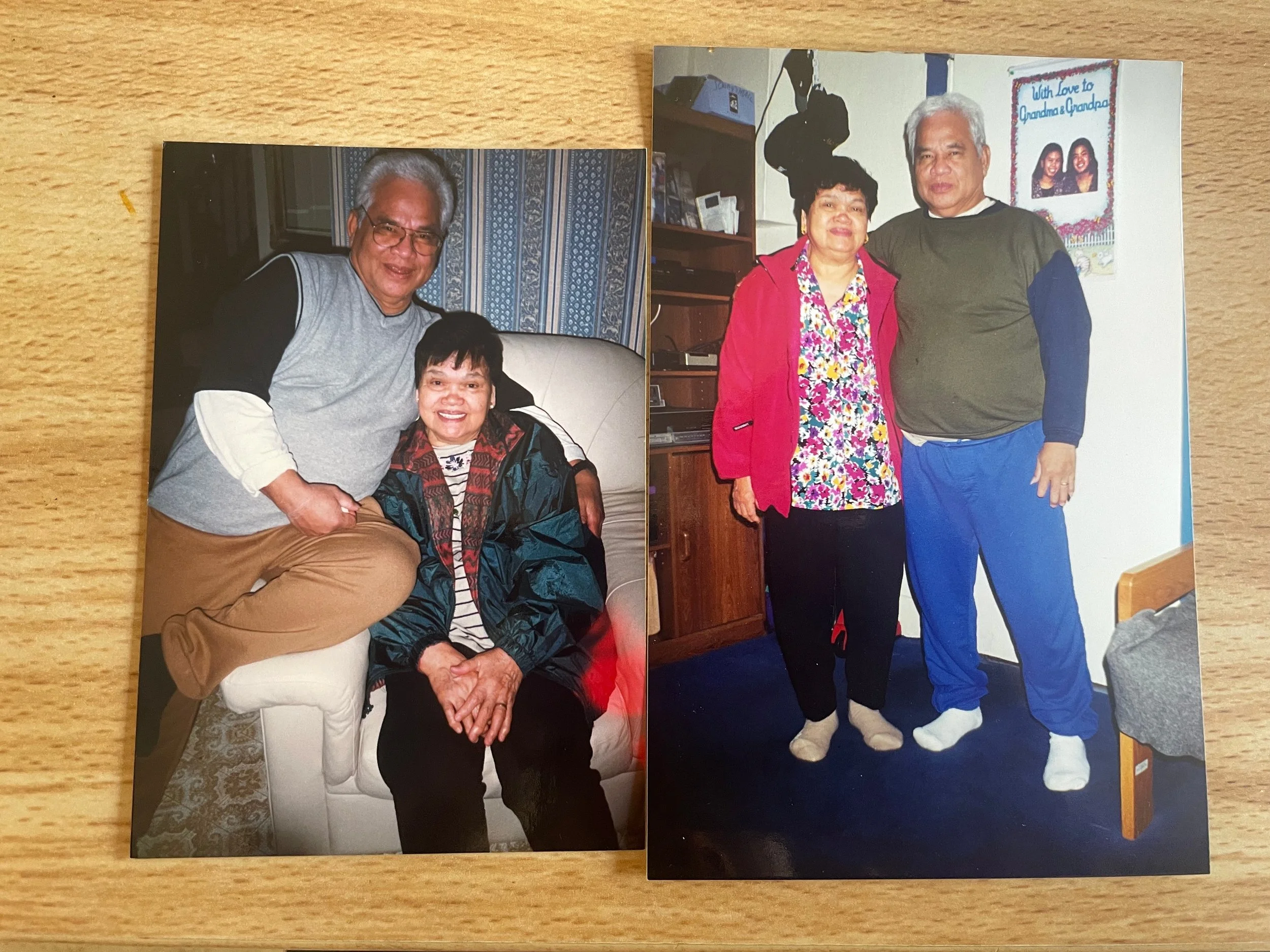
people are what make the place
On hip hop, belonging, and my great grandma
My great grandma, Inang, didn’t know how to read or speak English when she moved to Seattle. In 1983, she moved from Bataan to Seattle. (Accurately pronounced Shat-tel, not See-a-tul.)
Inang worked as a cook at Microsoft. She petitioned her sons and daughters from the Philippines to become US citizens. I’ve heard stories from my Tita Susan — one of Inang’s daughters — that Inang’s house in Shattel was the place to be: the family would gather and she’d always cook dinner.
I wish I had a chance to visit that house.
I grew up in Temecula, CA. Inang took care of me and my brother Kevin when we were young. She’d always make food, walk around, and laugh.
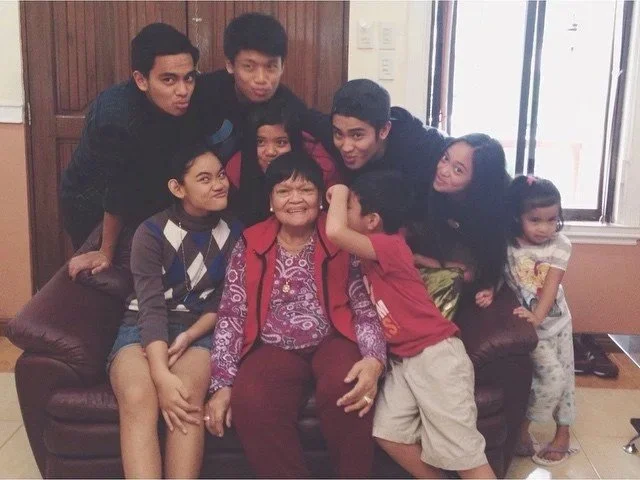
📍Bataan, Philippines. Inang’s grandkids.
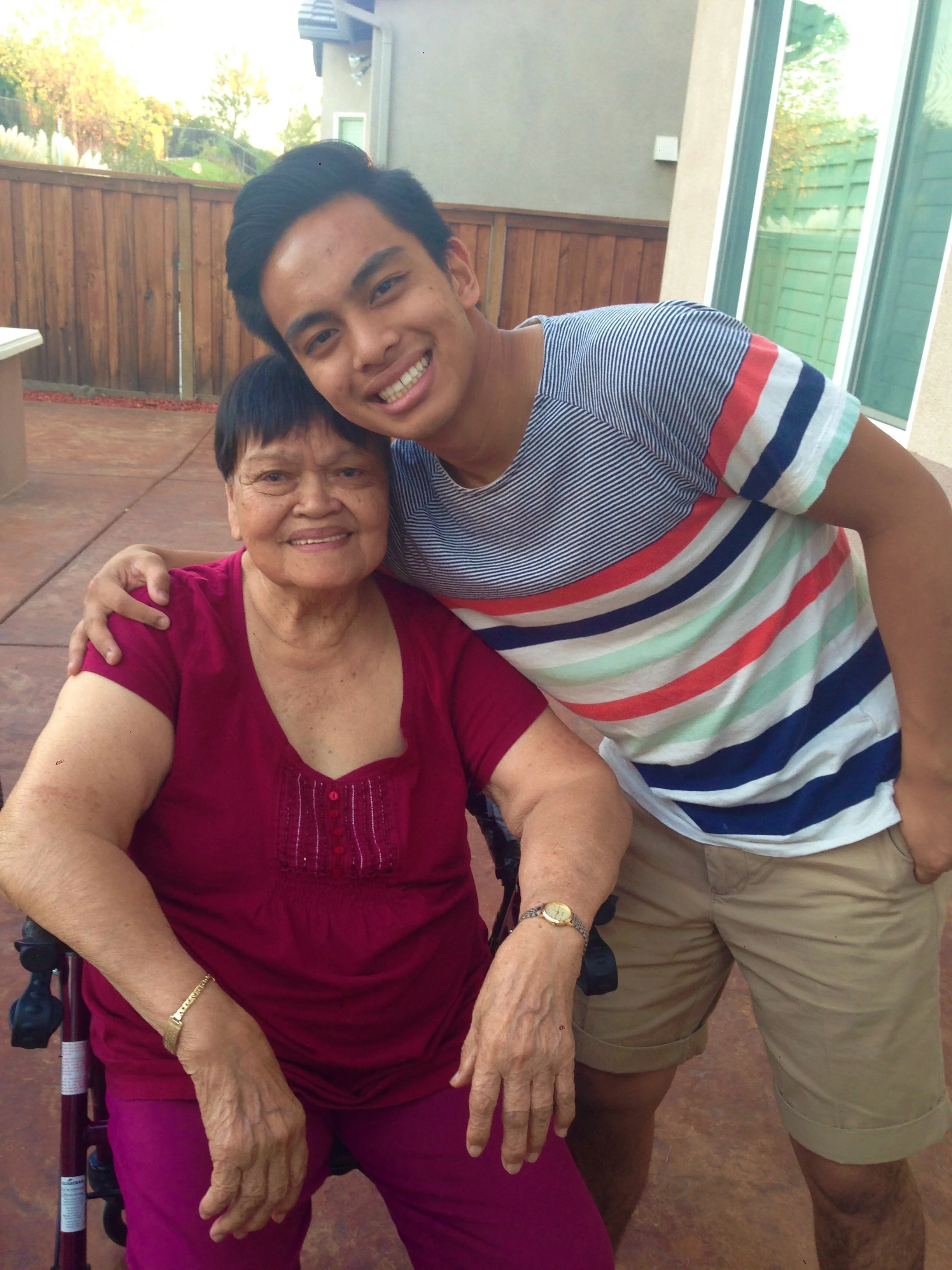
📍 Temecula, CA. October 2014.
Inang passed away in 2015.
Last month, my immediate family and I spent time in Shattel (Seattle) for a week. We hung out in an Airbnb in Renton, along with my Tita Tana and Tita Christy — my dad’s sisters — who flew from Manila. Tita Susan’s family hung out with us too, so both my mom’s and dad’s family gathered under a house (albeit a nice house with a pickleball court). Much like the way we’d gather under Inang’s.
Kevin and I are both freestyle dancers. We spent our early twenties competing at jams and just being around the SoCal dance community.
Here’s one of my favorite battles I’ve ever competed in.
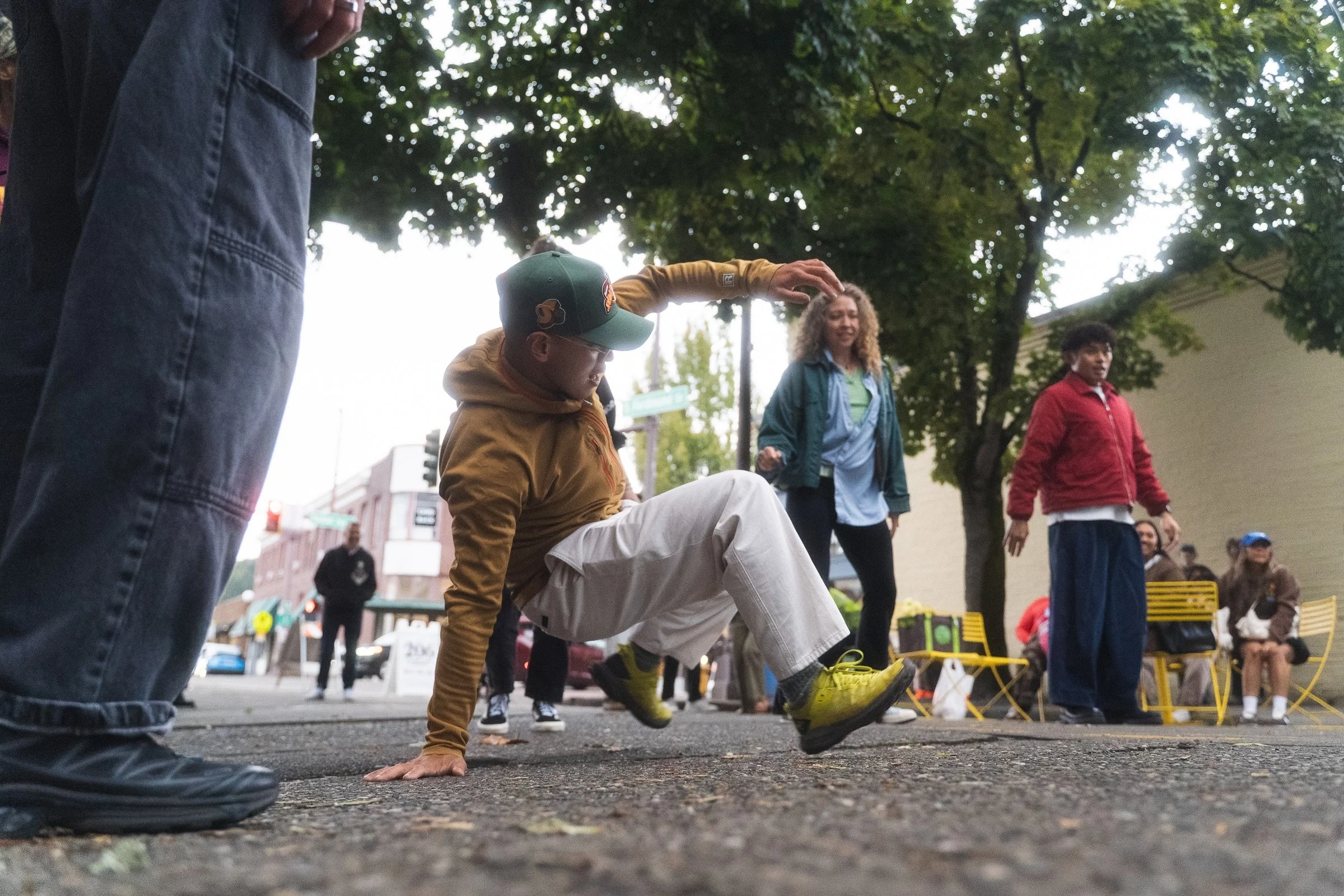
We decided to check out Columbia City Beatwalk, curious about the scene and place. His waacking friend, Tracy, hosted a cypher.
Naturally, we got down.
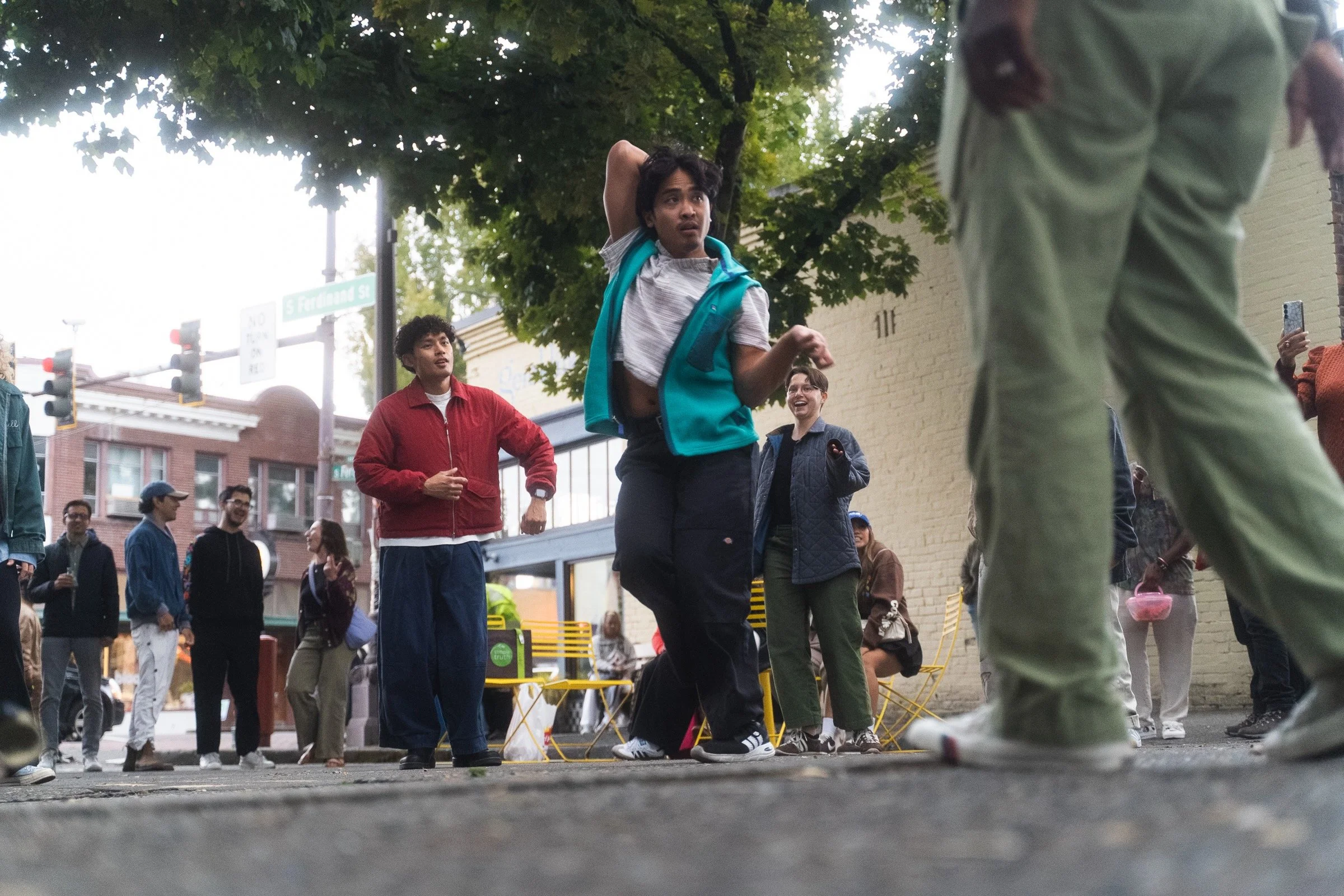
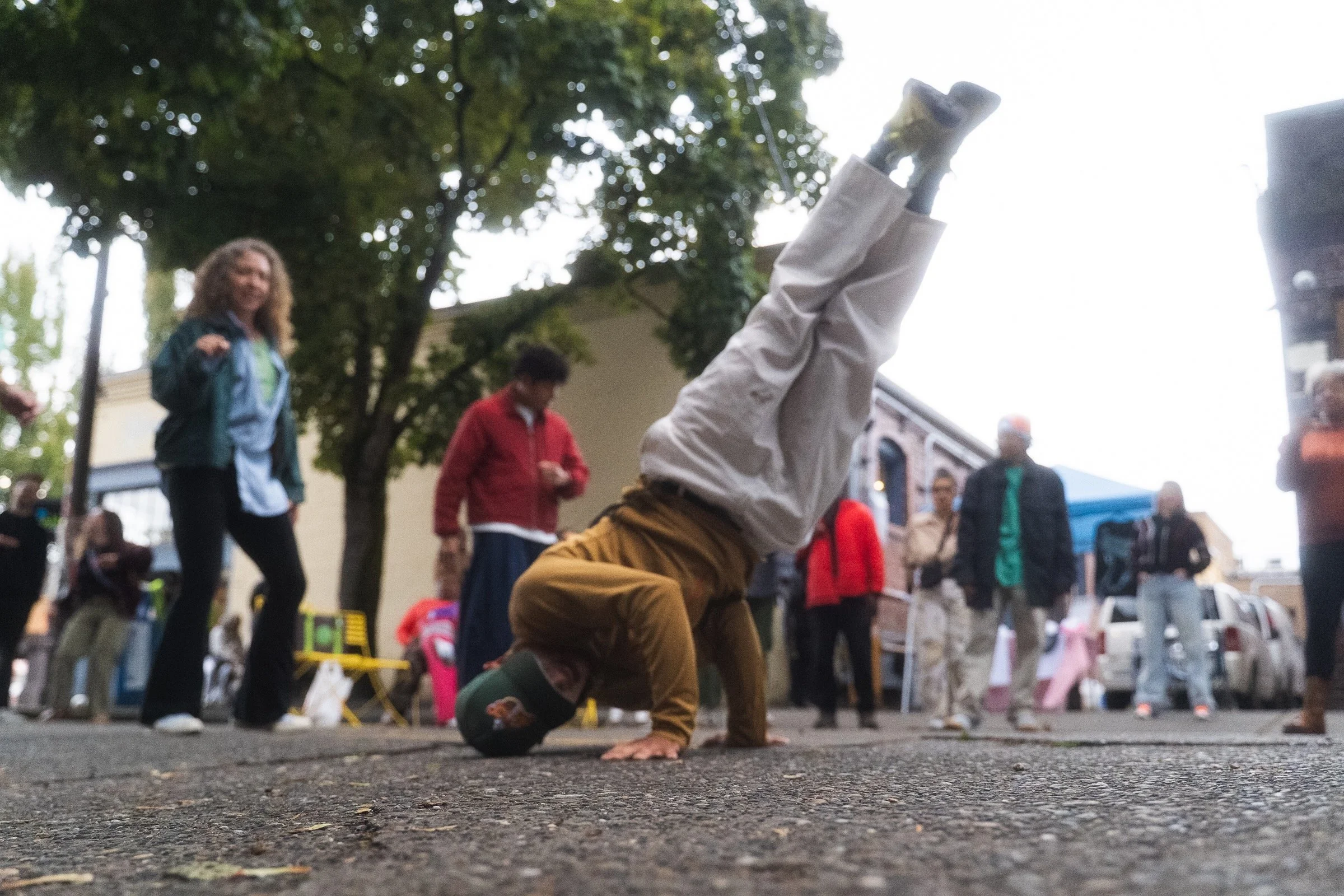
I moved to Bishop a month later. I’ve been here for two weeks. Despite having spent the last five winters bouldering here, I’m nervous. Will I find my people? (Bishop is a predominantly white town.)
The theater in town was showing films from Banff Film Festival. I went. Caleb and Ri, two good friends who live in town, joined too.
The first few films followed the general outdoor athlete movie arc: “I want to do this hard thing. I set out to do it. It was challenging. But I overcame that challenge.” The climbers were white.
However, one film reeled me in with their opening line.
“If hip hop is the culture, then rap is the story.”
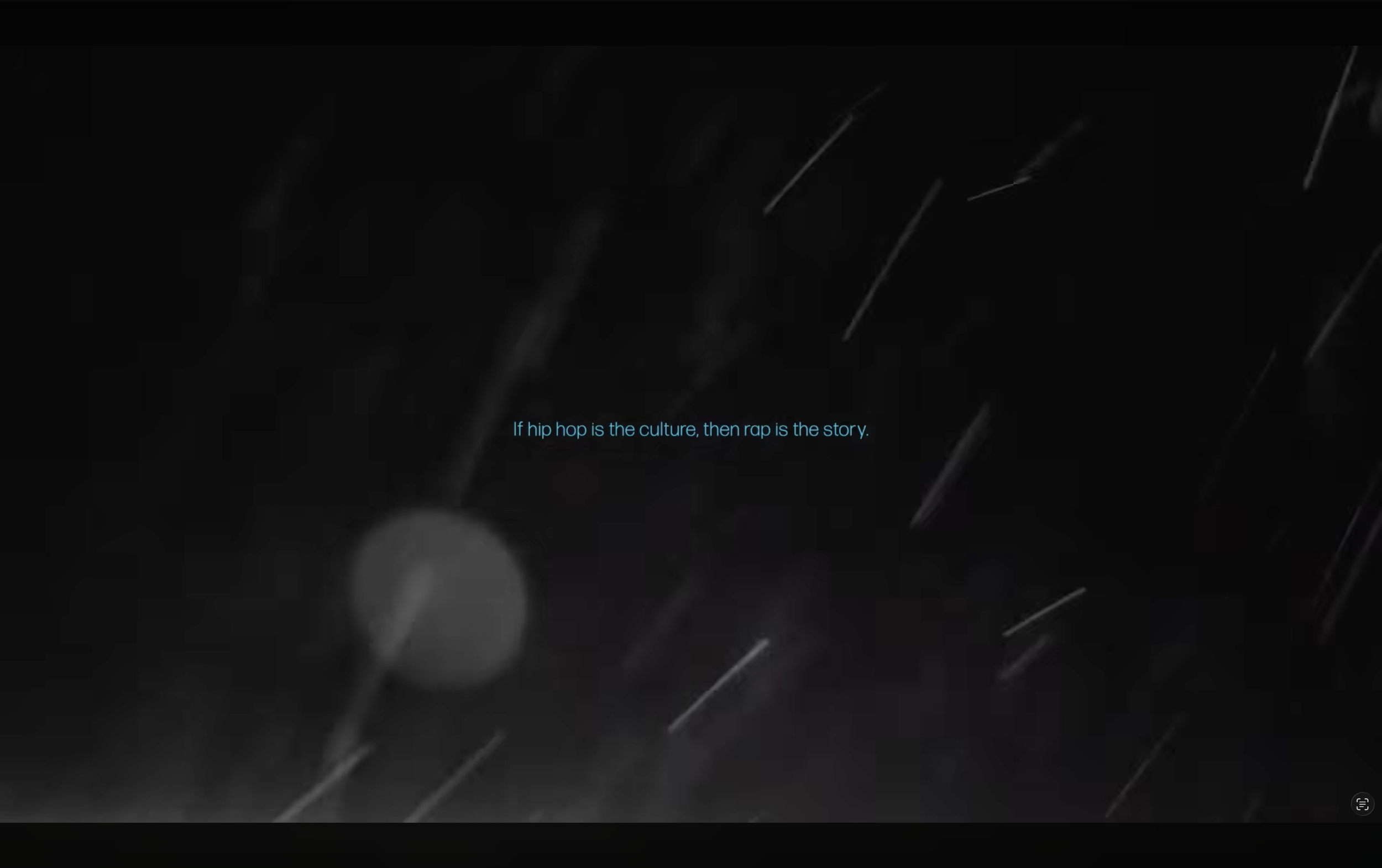
Source: Lines - By Mallory Duncan
Y’all know me. I’m a bboy and climber. It was unreal to see my two worlds collide in a town like Bishop. Hip hop and the outdoors, in one film?
You know that feeling of when you first discovered MF Doom, J Dilla, Nujabes? That’s how I felt that night, in that theater in Bishop.
The film was Lines, directed by Mallory Duncan.
It explored the similarities between two different disciplines: skiing and rap. One person is a backcountry skier, setting off to ski some epic mountain. Another is a rapper, sharing the vulnerable journey of putting yourself out there on stage. Both involve… performing. Turning doubt and fear into flow.
One of the scenes of the film takes place in a barbershop in… a neighborhood that I grew curious about.
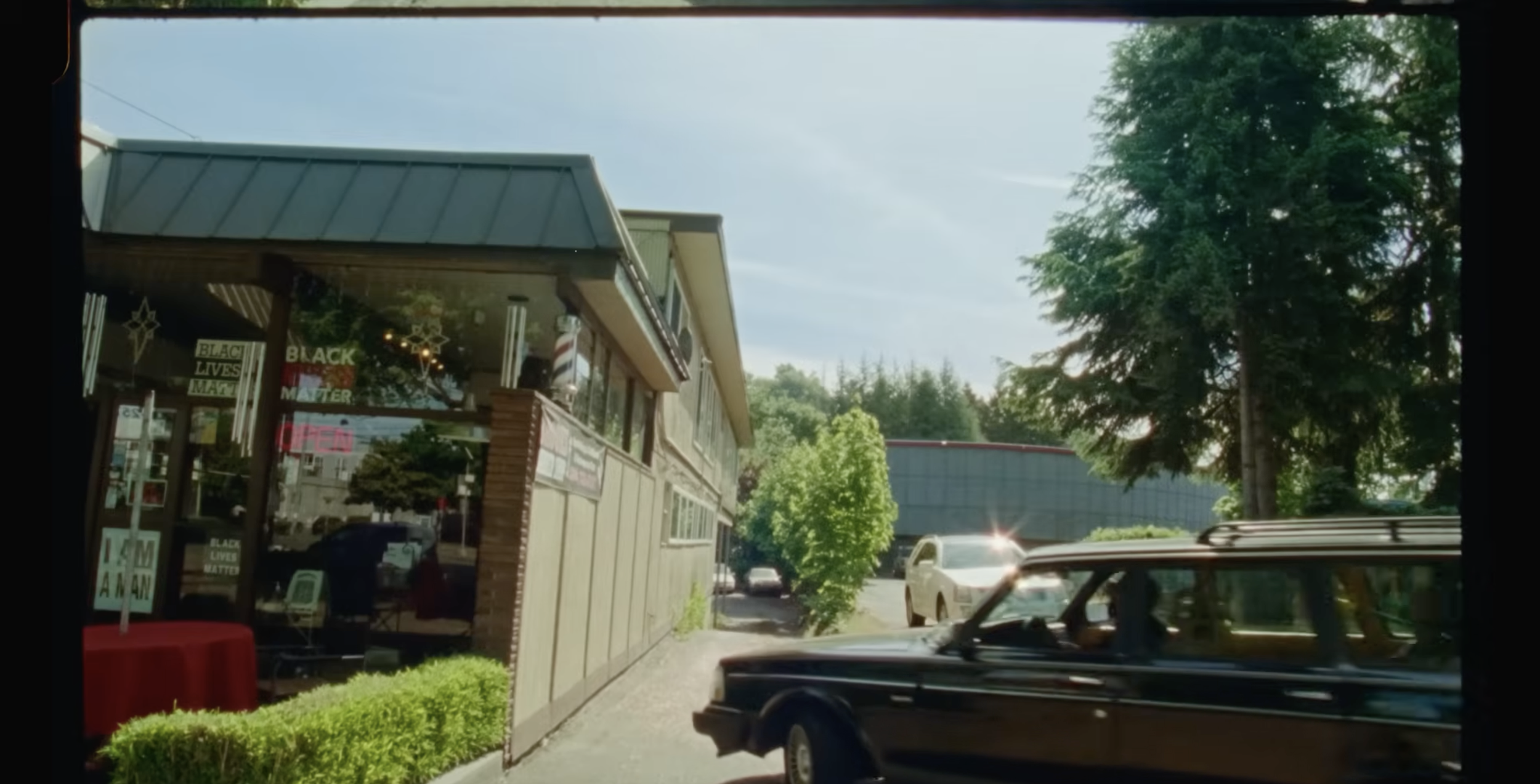
Source: Lines - By Mallory Duncan
Where is this neighborhood? This was the first question in my mind after the film finishes.
After the film, Caleb mentioned to me that Mallory, the skier and director, is based in the Pacific Northwest. I grew even more curious. Where in the PNW is this neighborhood?
I looked up the details of the neighborhood… turns out that neighborhood was in Columbia City… that same neighborhood that hosted Columbia City Beatwalk.
WHOA. I was just there last month. Cyphering.
I learned that Columbia City used to be a very diverse neighborhood. Charles Mudede writes that it used to be one of the most diverse neighborhoods in Seattle:
“It’s now 2001. I have moved to a street in Columbia City. The racial composition of its renters and owners is roughly 25% Asian, 25% Latino, 25% white, 25% Black (Black American/Black African). This representation is not confined to my street but represents the composition of much of South Seattle. A fact that might seem hard to believe today is this: in 2001, Southeast Seattle was one of the most multiracial neighborhoods in the United States (24% Black, 29% white, 34% Asian, 6% Latino).”
Like many other neighborhoods that were predominantly working class folks of color, Columbia City has become more gentrified.
It makes me sad to think that the people who made Columbia City what it is may no longer be able to call it home. It also gives me a deeper appreciation for events like Columbia City Beatwalk, a free, community-organized celebration that brings people together.
A current is flowing and I’m swimming in it
I went to Seattle with my family, spontaneously decided to go to Columbia City with my brother, cyphered after years of not dancing, stumbled on this film in a predominantly white climbing town, and listened to how my friends know about the skier’s creative work.
A current is flowing and I’m swimming in it. I’m not sure where it’ll lead to, but it feels like the opposite of anxiety. I have no urge to control it, only to listen to it, to be alive to it. Have you ever felt that too?
Matt Yao recently wrote about life intensification:
“The alternative to “growth” is not stasis or passivity, but a growing aliveness to the actual change that you’re undergoing in the process of generating responses to specific life challenges. If these challenges are real, then the way you change through responding to them is not entirely within your control.”
Over dinner two days ago, I asked Ri whether she prefers Salt Lake City (where she goes to school) or Bishop (where she lives with Caleb). She said, “Obviously Bishop, but if I get a job in SLC, I could see myself there.” I said, “Really?! Salt Lake?!” She said, “People are what make the place.”
People are what make the place.
I’ve been thinking a lot about Ri’s phrase since dinner. My anxiety about being isolated is rooted in my deep desire to find my people. Since moving to Bishop, I’ve realized my people are already here. I feel… alive.
What was it like adjusting to a new city, not knowing how to read or write English?
Who were your best friends?
How did you find community?
I wish I taught myself Tagalog when I was younger so I can ask Inang these questions.
The opening verse in Lines:
“ What if these people in this place and in this time were meant for me?
”